Our Mission
Consortium lead: Adi Radian · aradian@technion.ac.il
The Negative Emissions Testing Center (NET-C) brings together researchers across Israeli institutions to advance the testing and evaluation of carbon dioxide removal technologies. By combining experimental infrastructure, monitoring tools, sustainability analysis, ecological risk assessment, and scale-up modeling, NET-C aims to identify which emerging approaches are not only promising in principle, but measurable, durable, responsible, and suitable for wider deployment.
The evaluation hub
Hub lead: Vered Blass · vblass@tauex.tau.ac.il
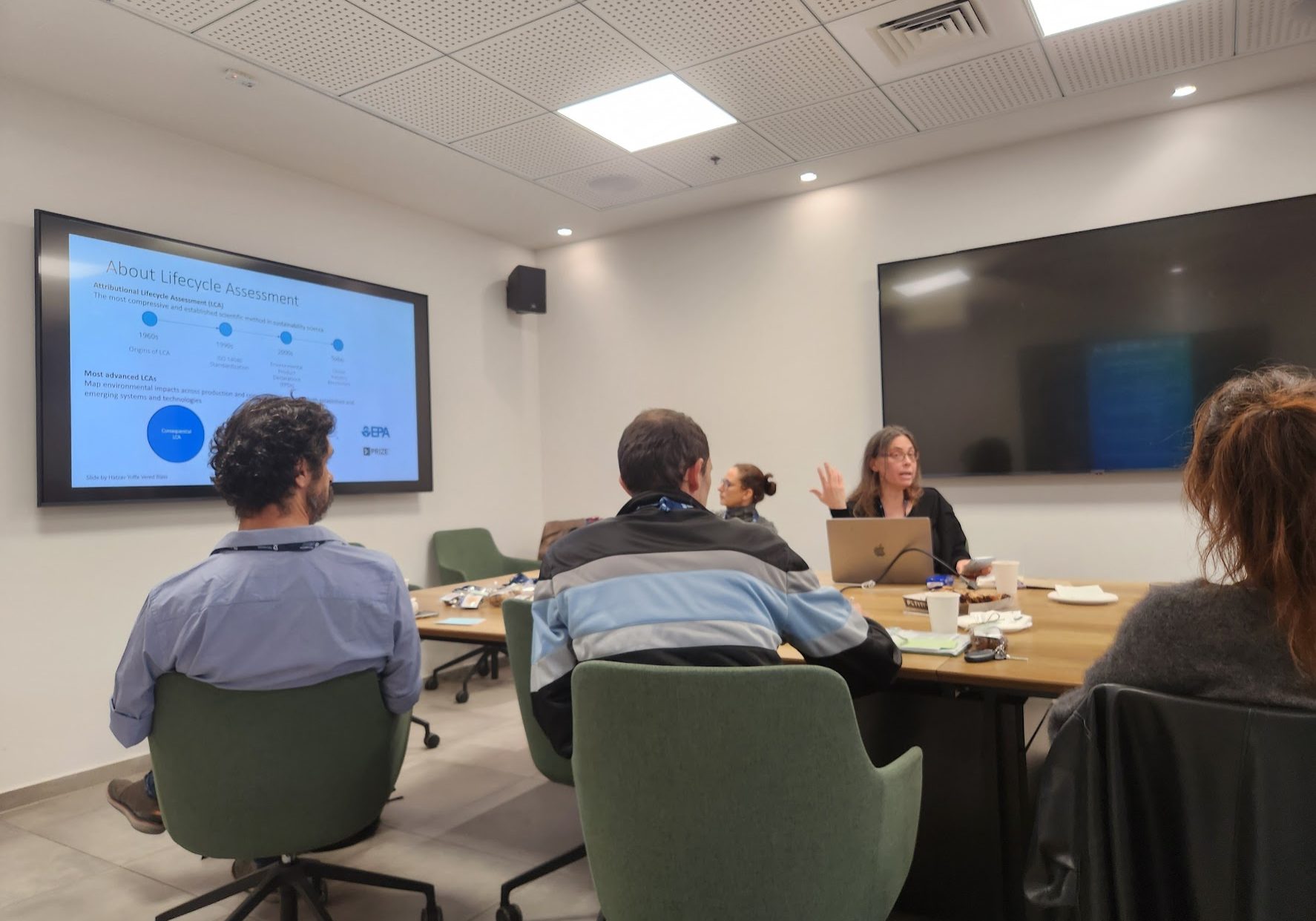
The Evaluation Hub develops the shared framework used to compare CO₂ removal technologies across different environments and stages of development. Working with the experimental hubs, it applies life cycle sustainability analysis, ecological risk assessment, economic and social evaluation, and scale-up modeling to help translate experimental results into decision-support tools for researchers, funders, and policymakers.
The subsurface hub
Hub lead: Yaniv Edery · yanivedery@gmail.com
The Subsurface Hub studies carbon storage in geological formations, especially basalt and carbonate rocks relevant to Israel and other regions. Using a controlled experimental chamber that simulates brine-saturated rock formations, the hub will test how injected CO₂ moves, reacts, mineralizes, and remains stored, while also assessing risks such as leakage, pressure buildup, rock deformation, and caprock integrity.
The soil hub
Hub lead: Tamir Klein · tamir.klein@weizmann.ac.il
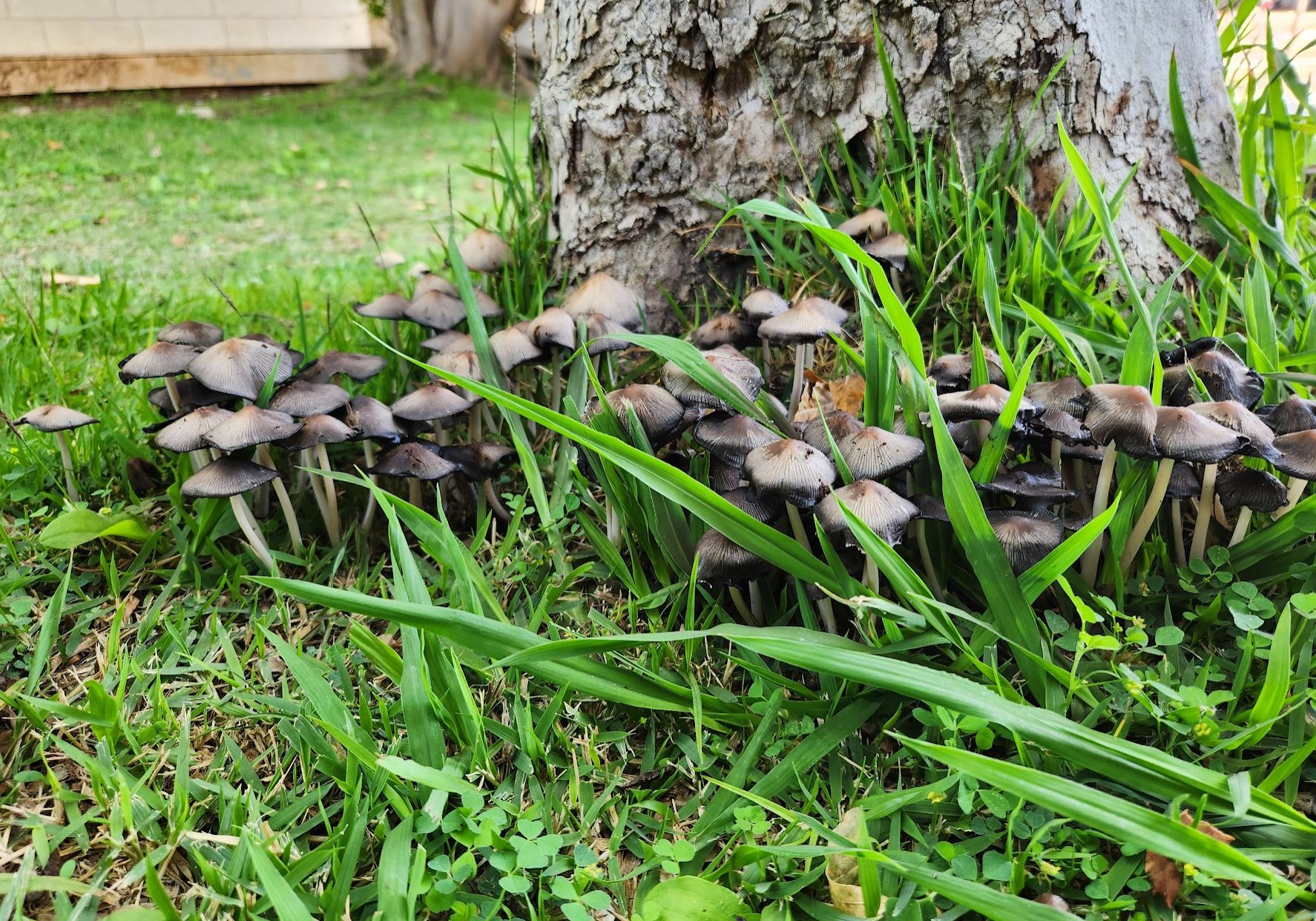
The Soil Hub investigates how carbon can be stored in soils as both organic matter from plants and microbes and inorganic carbon in minerals such as carbonates. Through forest field sites, soil and gas measurements, microbial analysis, remote sensing, and ecological surveys, the hub will examine how tree species, fungi, water availability, and soil chemistry affect durable carbon storage and the risks or tradeoffs of soil-based carbon removal.
The marine hub
Hub lead: Naama Lang-Yona · naama.ly@cv.technion.ac.il
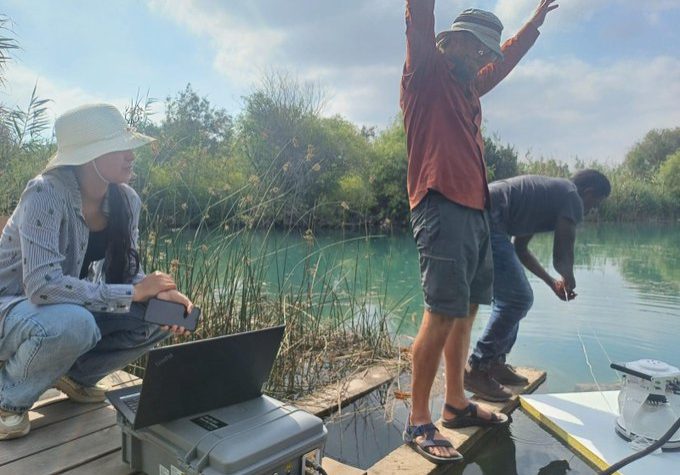
The Marine Hub evaluates ocean-based carbon removal approaches that aim to enhance biological carbon capture and move carbon from surface waters into deeper marine environments. Using a modular mesocosm system in the Red Sea, the hub will test technologies that stimulate algal production or improve particle sinking, while measuring carbon export, degradation, CO₂ fluxes, and potential ecological impacts.